








Lewy body dementia final days: signs to expect, comfort feeding, sleep and breathing changes, hospice support, and simple ways to keep loved ones at ease.
You sit bedside in the thin blue light, applesauce in hand. The house is quiet except for the soft machine sigh and that stubborn clock.
Your well-worn sneakers chirp when you shift. “Hey, Dad,” you say, close to his ear, and his lashes lift for a second. Sometimes that tiny flicker is the whole day.
If you’re caring for someone with Lewy body dementia in their final stretch, this is the rhythm: long quiet, brief sparks. People talk about “lucid moments,” and they’re real.
They arrive like a window cracking open on a stuffy day—five seconds where they know your face, where a joke lands, where they ask for the dog. You tuck that second into your pocket and carry it for weeks.
Most days, though, the body is working very hard to slow down. Walking is usually long gone by this stage.
Sitting up takes two sets of hands. Muscle stiffness makes even a small turn feel like moving a tree trunk.
We got good at the log roll: one arm under the shoulders, one at the hips, count to three, then gently bring the pillows in to support knees and ankles. Every couple of hours, like clockwork.
It helps the skin. It also gives you something to do with your hands when your heart is sore.
Pillows under calves, a soft sheet, barrier cream by the bed. Little habits add up: scheduled turns, quick checks for redness, fresh socks that don’t bunch. It becomes a rhythm you can do in the dark.
The body used to do this without thinking. Now it needs a nudge—thickened juice, blended soup, pudding, cool yogurt.
Tiny bites. We call it “comfort feeding,” which sounds cozy, and sometimes it is. A small spoon of vanilla ice cream can feel like a gift.
Other days, the mouth stays closed or the tongue pushes the food back out. That’s not stubbornness. That’s the body saying, I’m tired.
Follow pleasure: offer favorites and stop when the face says no. No arguing, no “just one more bite.” It’s not a test you can cram for.
Keep a towel on your lap, keep patience in your pocket. A few spoons at noon might be all they take. That’s okay.
When eating is only for comfort, tubes don’t give the peace you hope for. Small tastes by hand do. Lights and hospital trips tend to bring confusion. Quiet rooms and familiar snacks do better.
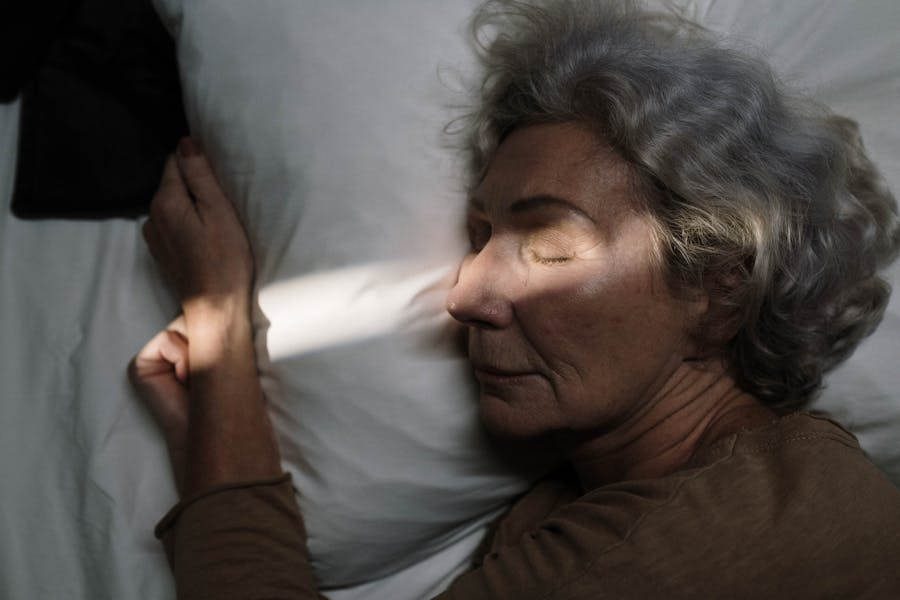
Sleep takes over. It’s the kind of sleep that swallows the house. Picture a warm couch nap and multiply it a few times.
Hours drift by. A blink of wakefulness, then back under. Eyes open now and then, but they’re cloudy.
You’ll still talk to them like you always have—short, simple sentences: “I’m here,” “We’re going to lift you,” “That song you love is on.”
They may not answer. They may never say another clear word. But they often hear the warmth in your voice. So, you use it.
If words don’t reach, music might. A worn playlist often gets through when nothing else does.
When words fade but music and touch still reach them
Hold a hand, rub lotion into palms, rest your cheek on the quilt. These small things are the language you speak now.
Hallucinations and false ideas can tag along to the end. Sometimes they’re gentle (small children playing by the curtains); sometimes they’re scary (men in the doorway, whispers that feel like threats).
I learned not to argue with ghosts. “I see them too,” I’d say, or “They’re leaving now,” while closing the imaginary door. You can change the light, turn on the fan, put on a familiar playlist.
Evening is harder. Keep the room calm, the lamp low, the routine steady. If fear spikes, call your nurse.
Some medicines can ease severe distress in Lewy body, but they’re chosen carefully. The goal isn’t to change who your loved one is; it’s to make the fear smaller.
The bathroom becomes a team sport. Bladder and bowel control usually bow out, and that’s not the worst thing, even though it feels like it.
Warm wipes. Zinc cream. New linens at the ready. I made a bedside kit: gloves, barrier cream, washcloths rolled like sushi, a stack of briefs. No drawers slamming in the middle of the night.
You will get fast and gentle and weirdly proud of your own efficiency. And then you’ll cry in the laundry room because that pile of wash tells the whole story.
A clear path, a stocked cart, and soft lighting mean fewer stumbles and less stress for everyone.
Breathing changes near the end. It goes like this: short breath, short breath, stop, longer breath. Repeat. The “rattle” you hear is usually saliva that isn’t getting cleared because the swallow is weak.
Tilt the head to the side. Use a small sponge swab to moisten the lips. Keep the room quiet. Ask hospice for guidance; they are very good at this.
You may see cool hands and feet, mottled skin on the legs, and very little urine. The body is pulling energy inward. Your job gets even simpler: mouth care, turning, soft music, a hand on their shoulder.
Hospice care can give a tiny dose of morphine for air hunger, read the signs without panicking, and can help you keep the space calm.
For the caregiver heart, this final stretch is two tracks running side by side. On one track, a to-do list (meds, linens, calls). On the other, an ache that doesn’t fit into bullet points.
Make small breaks part of the plan. Ten minutes on the porch with a hot mug. A shower while a neighbor sits by the bed.
If friends ask how to help, give them a job: groceries, dog walks, hand lotion that smells like oranges.
You may hope it ends soon and then scold yourself for thinking that. All of this is normal. Caregiving is love with blisters.
If your loved one is in a memory care home, you’re still their North Star. Staff will lift and bathe; you bring the soft parts—photos, favorite robe, Sunday song.
At home, hospice brings equipment and visits; you carry the day-to-day.
When the end comes, it often looks like this: longer pauses between breaths, then a quiet you can feel in your teeth.
You’ll wait for the next inhale. It won’t arrive. You’ll exhale for them.
Sit a minute. Smooth the sheet. Tell them what you loved most: pancake Saturdays, the whistling, the bad jokes.
Call the nurse. Drink a glass of water. At home, lift the sash a little. My grandma always said the room should breathe.
Hospice can join you at home or in a care setting. They bring calm, supplies, and a plan that keeps comfort at the center.
Think of what your person loved and choose the path that keeps them closest to that—warm socks, old music, gentle hands, and a quiet room.
For families in Denver facing dementia care, Applewood Our House can help. Call, schedule a tour, or message us.
We’ll talk through late-stage needs, hospice options, and practical ways to keep your loved one at ease.