
Walk into a memory care home today, and you may notice something interesting. There are many communities today where people of two different generations are living side by side. The Silent Generation and the Baby Boomers. They grew up in different times. And sometimes that shows up in their day-to-day. At Applewood Our House, we see it every day. And that’s one of the things that makes the home feel so alive.
The Silent Generation grew up in an environment marked by the Great Depression and World War II. They tend to be attracted to routines, quiet times, and familiar rhythms. Also, like a quiet conversation, they are often thoughtful and perceptive. Some like to sit and observe an activity before participating in it.
The Baby Boomers were born after World War II and lived in an environment characterized by cultural change. Music, social movements, and ideas were big influences on them. Many Boomers tend to enjoy lively conversation, music, shared activities, social gatherings, movement, and engagement.
Neither approach is better. They’re simply different ways of being in the world.
In larger communities, the day is often built around one big activity for everyone. But when generations have different preferences, that approach doesn’t always work well. At Applewood Our House, the day isn’t built around forcing everyone into the same thing. It’s built around offering different ways to participate.
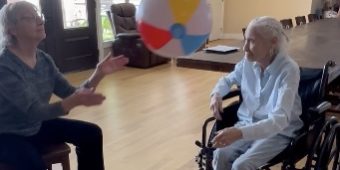
Some residents enjoy quiet one-on-one interaction, small table activities, or familiar daily routines. Others light up when there’s music playing, a group game, or movement and laughter in the room. The goal is not to create energy all the time. The goal is to create space for engagement in different ways.
Generational differences remind us of something important in dementia care: There is no single way people experience the day. Some residents want more quiet. Some want more activity. Many move between both. The role of the home is not to force a schedule. It’s to create an environment where people can engage at the pace that feels natural to them.
Generational differences remind us of something important in dementia care: There is no single way people experience the day. Some residents want more quiet. Some want more activity. Many move between both. The role of the home is not to force a schedule. It’s to create an environment where people can engage at the pace that feels natural to them.
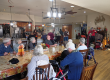
Families sometimes expect memory care to feel structured or clinical. Instead, what they often notice first is something simpler. People sitting together. Someone is laughing across the room. A small activity turning into a shared moment. Different personalities. Different generations. Still living life together. And in the end, that’s what a home should feel like.
At Applewood Our House, memory care home life honors every generation’s rhythm — quiet reflection, lively connection, or anything in between — because every resident deserves to feel seen, valued, and alive.