




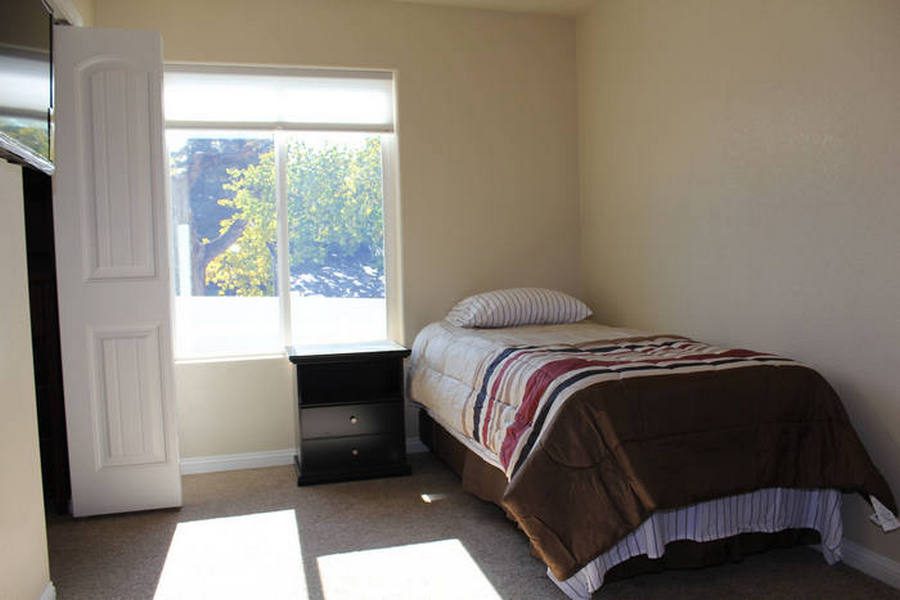





Near a window, her favorite cardigan waited on the chair. The sleeves were lit up with sun when our resident asked, gentle as ever, “Where’s the garden again?”
The door was just steps away, outside there was a magical garden. She smiled, patted my hand, and said, “I’d like to go there.”
In that tiny moment, there was confidence, not worry. That’s what good memory care design is trying to give your loved one in dementia care.
.
Walk through a well-designed memory care home and you feel it immediately.
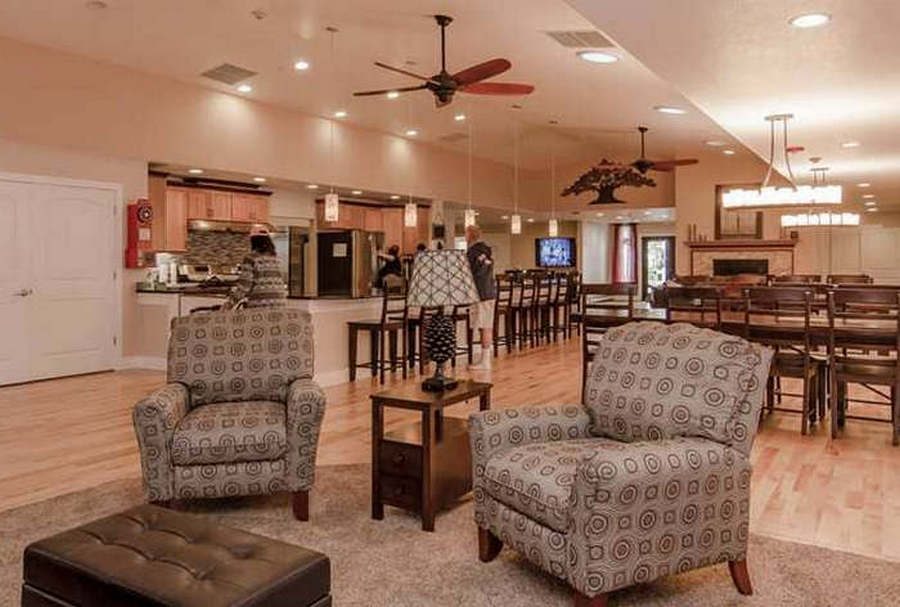
The layout nudges you toward what you know: a comfy couch, the clink of mugs, a bright space to hangout, and an instant sense of direction.
Familiar areas standout, while staff areas are toned down, gently steering your loved one toward resident spaces.
These choices help with wayfinding and cut down on anxiety, which means more ease in the day.
You’ll notice color doing quiet work, too. Bedrooms and lounges wear soft, friendly colors that quiet the day.
Key details are outlined on purpose: a white toilet against a richer wall, a handrail residents can spot instantly.
Patterns stay calm so floors don’t “read” as holes or steps. Designers lean on color and contrast because they change how a room “speaks” when memory gets hazy.
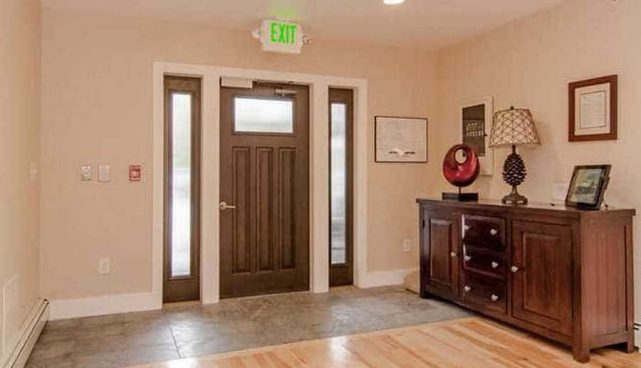
Safety can be soft. Doors are secure but low-key, opening to a friendly space with a place to pause.
You might find a bench, a leafy plant, or a family photo. Our residents always feel at home.
Exits are monitored, yes, but the emphasis is on freedom within safe bounds.
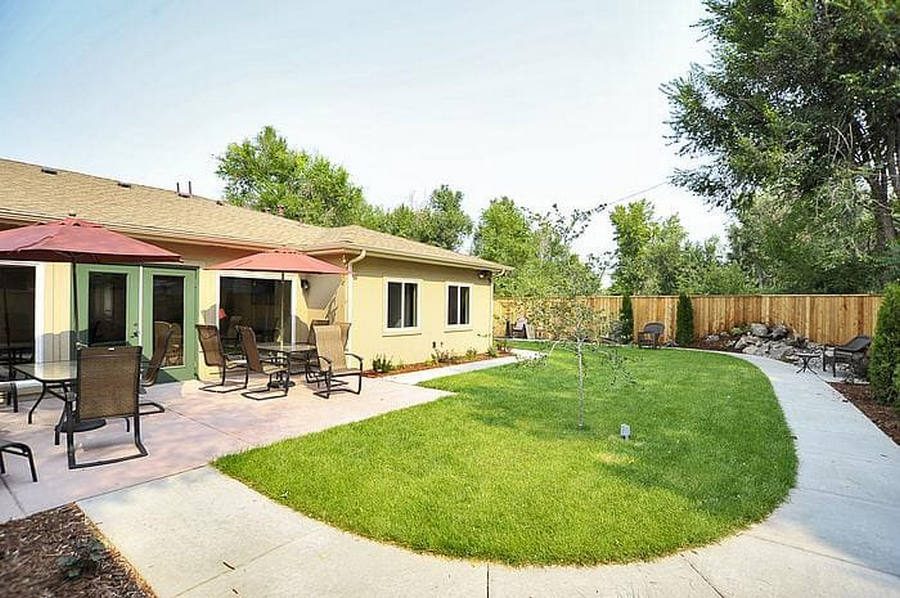
The courtyards and walking paths are enclosed without feeling fenced-in, with smooth surfaces and handrails that meet you exactly where you need them.
Sunshine and fresh air show up like lunch and tea: expected, every day.
The floors are chosen with balance and safety in mind, and the shifts between rooms are clear and calm.
Look up and you’ll spot even, glare-free lighting so your loved one doesn’t misjudge a step at dusk.
Bathrooms have grab bars and non-slip surfaces; bedrooms have space for familiar furniture and a memory shelf—photos, medals, a baseball cap—that cues, “This is mine.”
All those choices lower risks and support independence at the same time.
The layout matters as much as the finishes. Many places are set up in cozy “neighborhoods,” with a kitchen and sitting area in view. It’s easy to chat while the kettle sings and cookies set.
With open views, staff stay nearby without hovering, and the walkways loop back to a window seat or a familiar hello.
The goal is familiarity – Settings that echo a real home. There are books on a shelf, a table set for tea, or a game half-finished. Because recognizable rhythms help the brain find its footing.
Then there’s the garden. A good sensory garden is more than pretty: it’s planted with purpose.
Lavender to calm, rosemary to wake appetite, a raised bed for simple tasks like deadheading marigolds, and planting seasonal vegetables.
Paths are continuous and level, with shaded rests and secure gates.
You can sit together and watch light move across the leaves; you can also trust that a quick stretch of the legs won’t turn into a stressful search.
Signage deserves its own spotlight. Words pair with pictures (a cup on the kitchen sign, a bed on the bedroom sign), placed at the right height, with matt finishes to cut glare.
At decision points, hall turns, and door clusters, there are clear signs to do the heavy lifting. That’s not decoration; it’s dignity.
It lets someone follow their own nose to the dining room, which feels better than being guided every time.
If you’re touring, tune into the little things:
Remember safety – Ask how the team handles wandering and falls. Then get practical: where are the mixing bowls, the paintbrushes, the basket of fresh towels?
Finally, ask where families gather when Sunday drifts into evening.
And ask to sit—just for five minutes—in a quiet corner to feel how the place holds you both.
The best proof is in lived spaces that put beauty next to practicality. There are quiet nooks for reading, long views to gardens, and rooms that invite company.
Around the world, new models show how architecture can hold safety and freedom in the same hands: village-style layouts, generous light, and daily access to nature.
The headline is simple: design can give back pieces of ordinary life.
And about our resident’s cardigan? It still hangs by a window, now facing a courtyard where the roses climb. She likes to count the blooms. “Red ones first,” she says, every time.
Her family brings shortbread and they split it down the middle, and then she asks the garden for one more minute.
Ready to see how these ideas feel in real life? Book a relaxed tour, bring your questions, and test the chairs, the lighting, and the garden paths with us.
We’ll walk it together and help you picture your loved one’s day—from first cup of coffee to the last light over the roses.