

If you’ve ever wondered how to help seniors maintain their independence without overstepping, you’re not alone.
Ever tried to help and end up making things worse?
That’s what it can be like when you are reaching out to care for an aging parent or grandparent.
You extend a helping hand and they push it away—-not because they do not need it, but because receiving it amounts to relinquishing something far greater: their independence.
Let’s face it—aging isn’t gray hair and creaky joints. It’s adjusting to changes that become a slow loss of authority.
But helping doesn’t have to be like you do it all for them. If you do it the right way, it’s helping them so they still can do it for themselves.
This wasn’t indulging life. It was making life theirs.
Independence is more than the ability to walk without assistance or the timeliness in paying bills.
It’s a matter of the individual feeling empowered, having a purpose and being respected. No one wants to be a chore on someone else’s task list.
The biggest mistake? Confusing “safe” and “smothered.”
Blending five-minute checks or intervening and taking action, they can still take themselves can be mistaken for love—but it’s the inappropriate message.
It’s a clue that you don’t trust their abilities.
Instead of grabbing power, try to create space where they can still lead.
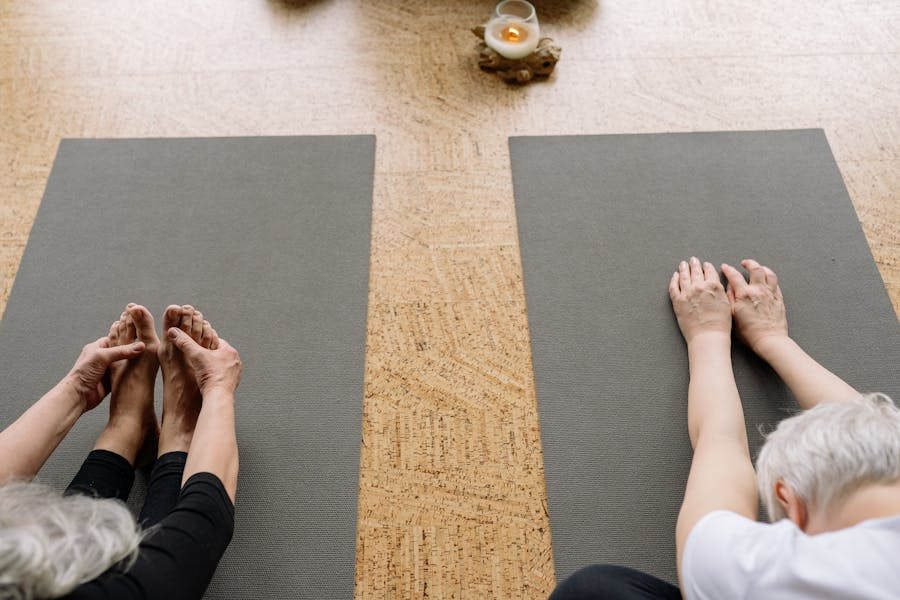
One of the best indicators for staying independent? Exercise.
As the CDC tells us, exercise can also lower your chances of getting cognitive decline, such as dementia.
But it’s not about turning your 82-year-old dad into a gym bro. It’s about movement remaining a daily affair:
Stay easygoing. Ask them for a walk after dinner. Stretch with them. The problem’s not performance—it’s involvement.
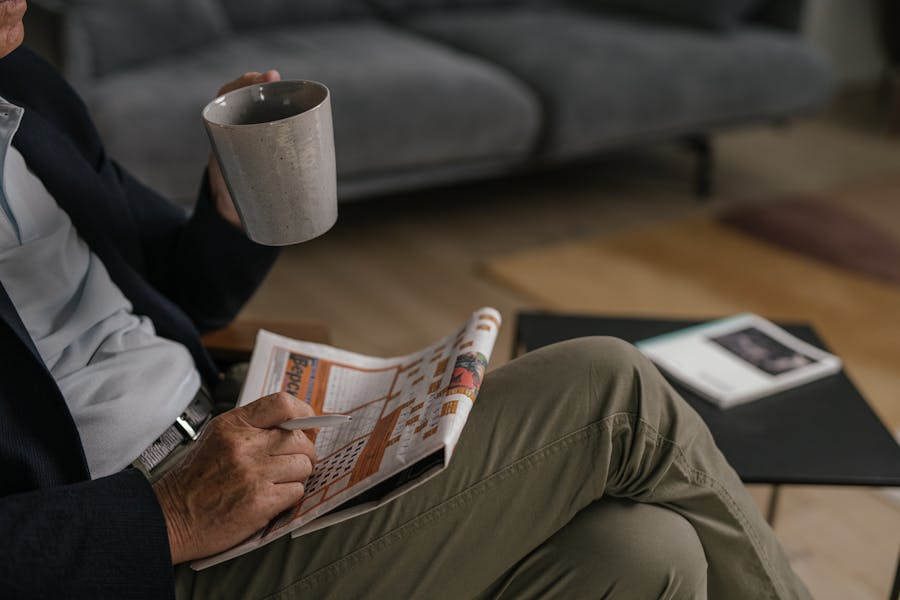
Muscles shrink when they are unused, and the same with the brain. Intellectual activity is no different than physical activity.
Get your senior loved one to help plan an activity, provide input, or make decisions.
Isolation can have serious health consequences—like loss of mental acuity, depression, and higher risk of death, says the National Institute on Aging.
Interacting socially isn’t a privilege, it’s a necessity.
Individualism does not do too well under a system that’s conspiring against them.
Small changes at home can make a big difference:
They’re common-sense changes which can prevent the leading cause of injury among the elderly: falls.
The secret here? It’s not whether they can do it all, it’s whether it’s the best use of their energy.
It’s not a takeover. It’s a question of picking the proper battles, and letting them win the big ones.
Purpose does not cease when one reaches the age of 70. It can, though, lessen when no one needs their advice or support anymore.
Every person, no matter what their age, must feel they count. When occasionally just being considered can suffice.
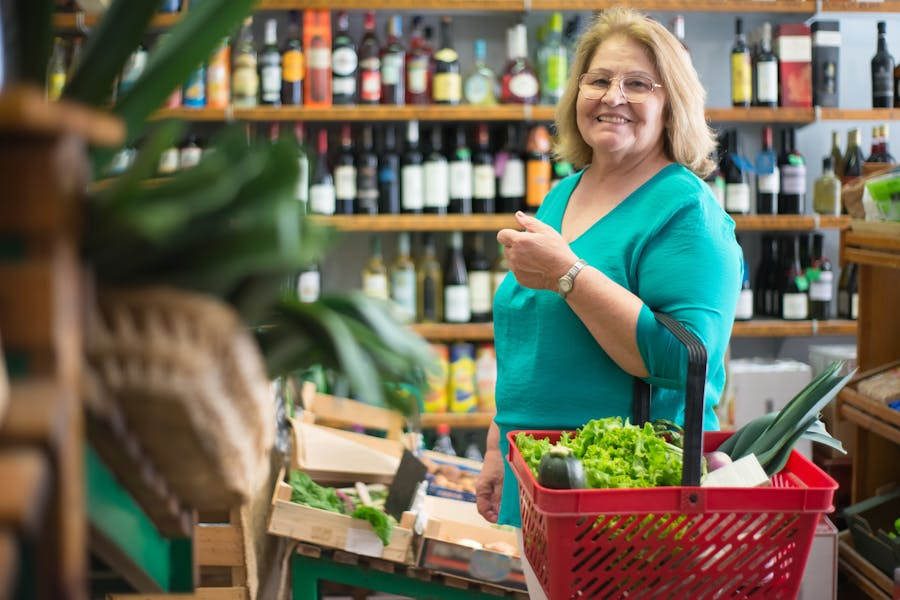
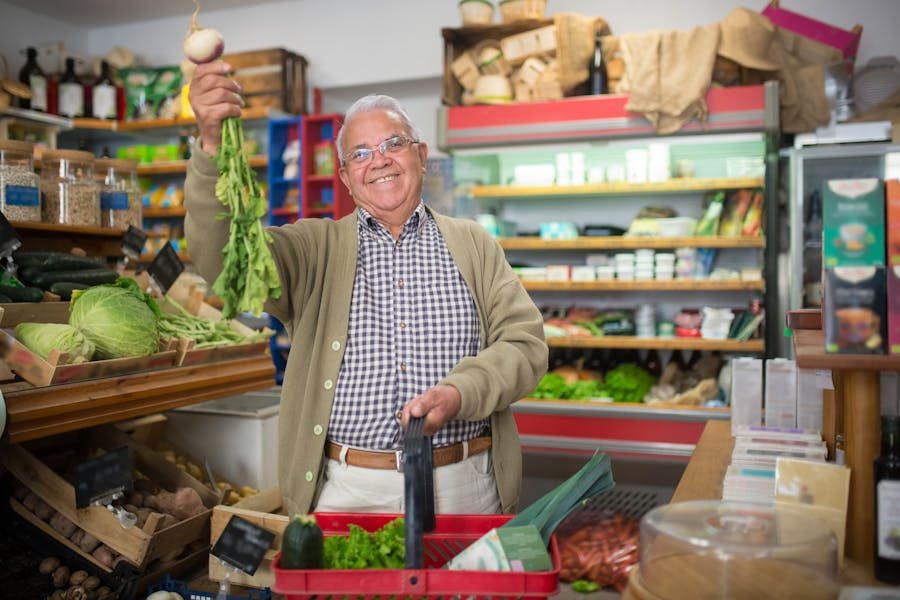
Diet can be a silent determiner for how long a person remains independent. Bad nourishment causes fatigue, weakness, and confusion.
Key tips:
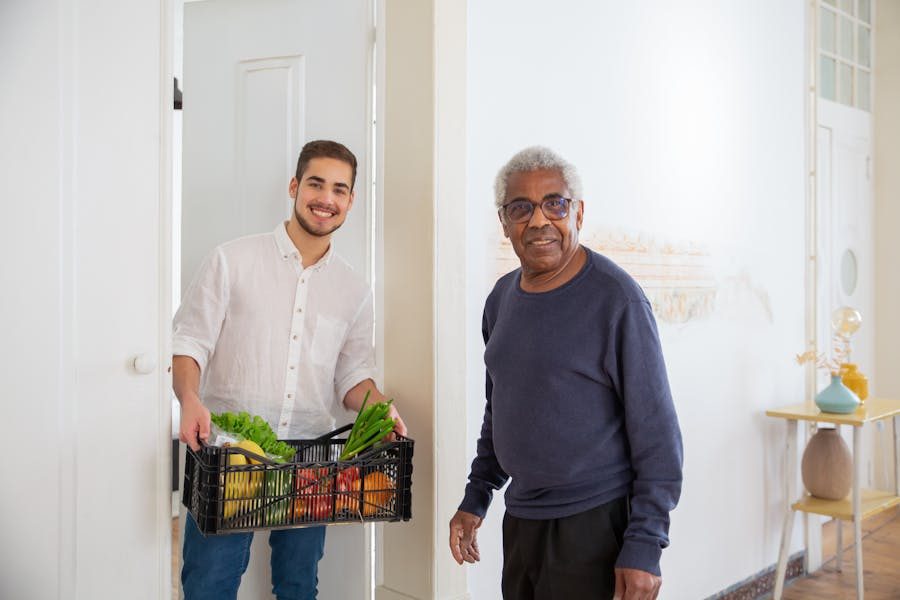
In case cooking’s too intensive, go for ready-made options, have it delivered, or provide group meals.
The endgame’s not perfection in the cooking department—it’s consistent, functional fuel.
Independence is the power to make choices—even if the choices seem odd or wasteful to you.
If it’s not harmful, just let them do it their way:
When a person feels a sense of control, chances are they’ll remain interested—and the better for it.
Caring for an aging friend or parent doesn’t involve fixing—it involves walking with.
True care is preserving their sense of identity, even when they need more support.
It’s not a question of turning every step into a comfortable one. It’s a question of keeping every step still theirs.
Because being independent is not the end goal. It’s a way to honor who they are—and who they’ve always been.
If your senior loved one ever needs memory care in the Denver area, reach out to Applewood Our House. Compassionate care is just a call away.