

Dementia News August 2025.
Here’s this month’s dementia news, you might have missed:
- How can a strong sense of life purpose significantly reduce the risk of developing dementia?
- Learn about the connection between unusual eating habits and frontotemporal dementia
- Music enriches brain health by boosting memory
- Discover how a Mediterranean diet may reduce Alzheimer’s risk
- Cardiovascular Benefits: More studies show how cycling enhances heart and lung performance.
- Strawberries can lower dementia risk thanks to their high flavonoid content
The reality is that dementia isn’t waiting around. It’s coming for more people every year.
You can either sit on the sidelines, hoping a miracle pill shows up, or you can start stacking the odds in your favor right now.
Purpose, food, movement, and daily habits. They’re free levers anyone can pull today.

Purposeful Living – A Key to Lower Dementia Risk
Recent research by UC Davis suggests that having a strong sense of life purpose can significantly reduce the risk of dementia.
Following over 13,000 adults, the study found those with a higher sense of purpose were 28% less likely to experience cognitive decline, a benefit persisting across various ethnic and genetic backgrounds.
This sense of purpose, cultivated through relationships, goals, and meaningful activities, offers a safe, cost-effective way to support brain health, contrasting with expensive and complex medications.
Prioritizing purpose might delay the onset of cognitive decline and contribute to healthier aging, emphasizing that it’s never too late to pursue what gives life meaning.
#DementiaPrevention #LifePurpose #CognitiveHealth #HealthyAging #Neuroscience #BrainHealth

Are Eating Habits an Early Symptom of Dementia?
Frontotemporal dementia (FTD), a rare form of dementia, often presents symptoms distinct from other types.
Researchers suggest peculiar eating habits, like hyperphagia or fixations on specific foods, could signal its presence.
Imagine a woman who only ate bananas and drank milk; after her passing, it was discovered she had FTD.
Other unusual behaviors include ingesting non-food items and stealing food from others.
Changes in eating habits can lead to weight fluctuations, both gains and losses, due to the narrow range of consumed foods.
These behaviors complicate health outcomes and social interactions. Recognizing the nuances in food intake might help identify FTD early, especially when paired with other signs like behavior or language changes.
Early consultation with healthcare professionals is crucial.
#DementiaAwareness #EatingHabits #HealthSigns #MentalHealth #BrainHealth #FrontotemporalDementia

Harmonizing Minds – The Healing Power of Music
Listening to music is more than just a pastime—it’s a powerful brain enhancer.
Music stimulates multiple brain areas, from the auditory cortex to the limbic system, simultaneously bolstering memory, focus, and emotional well-being.
Fascinatingly, familiar tunes can spark forgotten memories in dementia patients, enriching their everyday lives.
The Science Behind the Melody
Dopamine Release: Music triggers dopamine production, elevating mood and reducing pain.
Neuroplasticity: Enhances the brain’s ability to form new neural connections, vital in recovery post-stroke or dementia.
Tips for Musical Engagement
Opt for calming tunes or binaural beats.
Ensure volume is safe to avoid hearing damage.
Music’s therapeutic potential is immense.
As Dr. Sabyasachi Mitra highlights, just 20–30 minutes daily can significantly impact focus and mood—proving that music truly is a workout for the brain.
#MusicTherapy #BrainHealth #Neuroplasticity #MemoryBoost #Dopamine #FocusEnhancement #DementiaCare
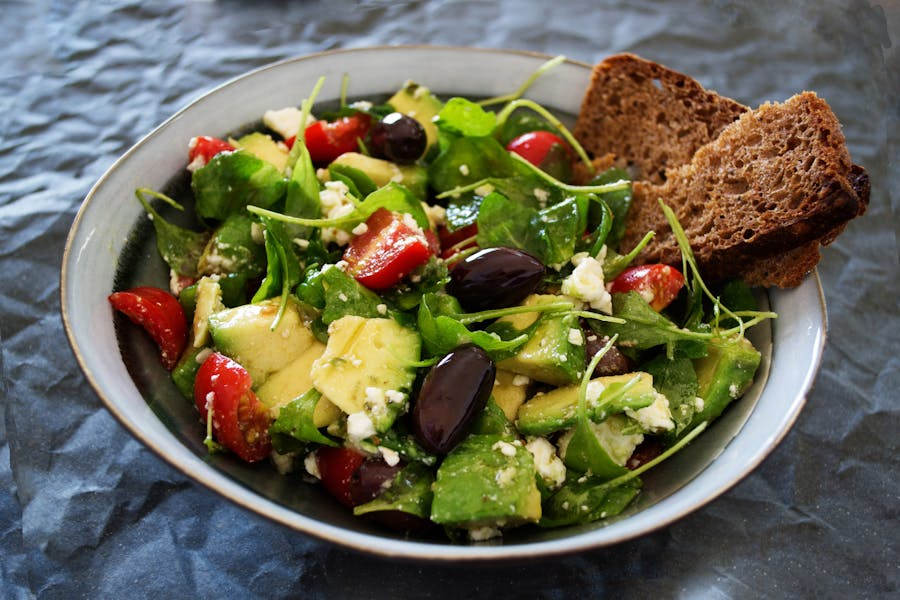
Mediterranean Diet – Your Ally Against Alzheimer’s Disease
Recent research led by Harvard and the Broad Institute uncovers how a Mediterranean diet could offset genetic risks associated with Alzheimer’s, particularly benefiting those with the APOE4 gene variant.
Researchers followed participants in the Nurses’ Health Study and Health Professionals Follow-Up Study, revealing a slower cognitive decline in those adhering to this diet.
Why does this plant-heavy diet help? It may influence blood metabolites and impact key metabolic pathways tied to cognitive health.
However, the study’s demographic limitations—mainly well-educated Europeans—highlight the need for diverse research.
Despite these findings, genetic insights like metabolomics aren’t yet standard in clinical predictions but remain a promising area for personalized medicine.
#MediterraneanDiet #AlzheimersPrevention #HealthResearch #CognitiveHealth #GeneticRisk, #HarvardStudy

Cycling – Your Cognitive Shield Against Dementia
A recent study featured in Neurology reveals that cycling may dramatically cut the risk of dementia by 88% for those who are cardiovascular fit in midlife.
Researchers observed 191 women who underwent a maximal ergometer cycling test starting in 1968 and continued over 44 years.
Notably, participants with high cardiovascular fitness delayed the onset of dementia by an average of 9.5 years.
Why Cycling?
Cardiovascular Benefits: Enhances heart and lung performance.
Cognitive Protection: The study illustrates a strong link between physical and brain health.
As dementia cases are projected to soar globally, incorporating regular cycling might offer a robust defense against cognitive decline.
#DementiaPrevention #CyclingBenefits #MentalHealth #BrainHealth #CardioWorkout #FitnessGoals #HealthyAging

Elevate Your Diet with Strawberries to Combat Dementia
Strawberries, rich in antioxidants called flavonoids, are more than just a delightful fruit—they may be your brain’s best friend.
Recent studies highlight strawberries’ role in reducing the risk of dementia and Alzheimer’s.
A University of Cincinnati trial revealed that regular strawberry consumption improved cognitive function and memory, especially in middle-aged individuals with insulin resistance.
This improvement is attributed to the berries’ ability to lower inflammation.
Incorporating strawberries into your diet can slow cognitive decline, as proven by the Nurses’ Health Study.
These findings suggest that strawberries, along with flavonoid-rich foods like apples, tea, and dark chocolate, can enhance brain health.
For a healthy aging brain, consider adding these superfoods to your diet and enjoy their delicious benefits.
#Strawberries #Superfood #BrainHealth #Dementia #Alzheimers #CognitiveFunction #Flavonoids #Antioxidants
Dementia News August 2025 – Conclusion
If you want straight answers, proven strategies, and real help for your family, talk to people who do this every day.