Nobody wakes up one morning and just decides. That’s not how this works. It’s slower than that, and a lot messier. It’s months of explaining things away, of telling yourself it’s a bad week, of reorganizing your life a little more each time to cover the gaps. And then something happens, or a few things happen close together, and the question you’ve been avoiding starts feeling a lot more urgent.
If you’re here reading this, you’re probably already in it. Maybe it’s been building for a while. Maybe last week was bad enough that you finally Googled something you’ve been putting off Googling. Either way, you’re asking the question, which takes something.
I’m not going to tell you there’s a clean answer. There isn’t. But there are things that show up for most families before they’re ready to admit what they mean, and I think it helps to just say them out loud.
Usually this is the thing that breaks through first. Not general worry, which has probably been there for a while, but specific things that scared you. The stove left on again. A fall nobody saw happen and isn’t sure when it was. Wandering outside at night. Medications that are getting missed, or doubled up, or both in the same week.
One of those things, maybe you can manage around it. But when they start stacking up, and when the window between something going wrong and someone finding out keeps getting wider, the calculus on home care starts to shift. A single caregiver, no matter how good, can’t watch everything all the time. That’s just true.
This one is hard for families to say because it sounds like quitting. It isn’t. Caregiver burnout is a real clinical thing with real consequences, and one of those consequences is that the care itself gets worse over time — not because the person stops caring, but because they’re running on empty.
If the person holding everything together is losing sleep, getting sick more, canceling everything in their own life, or just quietly not doing okay, that’s not a sustainable situation. And recognizing that isn’t giving up on your person. It’s being honest about what’s actually happening.
Early on home care makes a lot of sense. Meals, medications, company, getting to appointments. That works for a while. But dementia doesn’t stay where it starts. The needs that come later — significant behavioral changes, agitation that’s hard to manage safely, confusion that runs through most of the day — those start to look different from what a home setting can realistically handle.
This isn’t about anyone failing. It’s about a mismatch between what’s needed and what the environment can actually provide. When that gap gets wide enough, it’s worth looking at.
This one sneaks up on people. There’s pretty solid research showing that isolation accelerates cognitive decline in people with dementia. Not a little, meaningfully. And home care, even good home care, can end up being a pretty lonely situation. One or two familiar people, not much else going on.
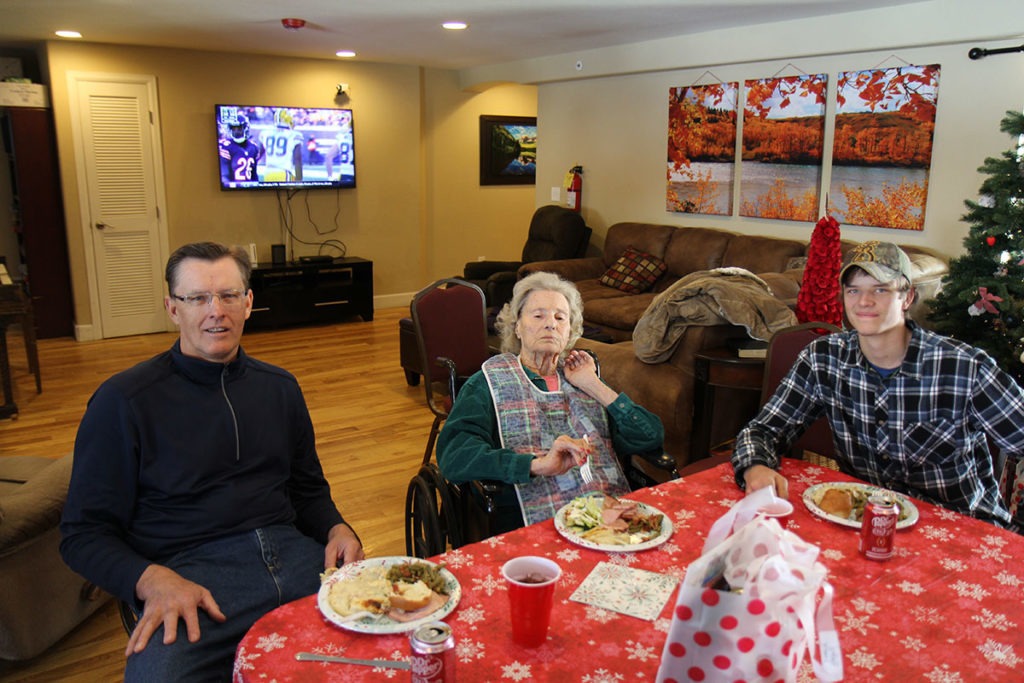
A memory care home isn’t just a safe place to be physically. It’s a place where life is happening around someone. Other people, activity, structure, dogs underfoot, something to do and someone to do it with. That environment matters more than most families expect until they see it.
This is the one I’d most want families to hear. Because almost every family we’ve talked to who waited for a crisis says the same thing afterward: they wish they hadn’t waited. Not because memory care is easy. It isn’t. But because making a major decision in the middle of an emergency, rushed, with limited options, is so much harder than making it with some room to breathe.
If your loved one can still participate even a little in getting familiar with a new place, if they can settle in before things get harder, that window is worth something. It doesn’t stay open indefinitely.
You don’t have to decide anything today. But if several of these things sound familiar, it might be worth at least starting to look. Just looking. Giving yourself information before you need it urgently.
We have five homes across the Denver area, in Arvada, Lakewood, and Golden. Come see what it actually looks like. Reach out whenever you’re ready and we’ll set something up.