In this article you’ll discover 7 surprising benefits of memory care homes for seniors with dementia—from safety to social life—and how they bring peace of mind to families.
One day, your dad was telling stories at the dinner table — and the next, he’s calling your daughter by your name and wondering why there’s a toothbrush in the freezer.
Dementia shows up slowly, then all at once. It’s disorienting. Exhausting. And deciding on a memory care home feels huge. But maybe—just maybe—it’s not giving up. Maybe it’s giving something back.
Here’s what memory care homes actually do (that no one really tells you about).
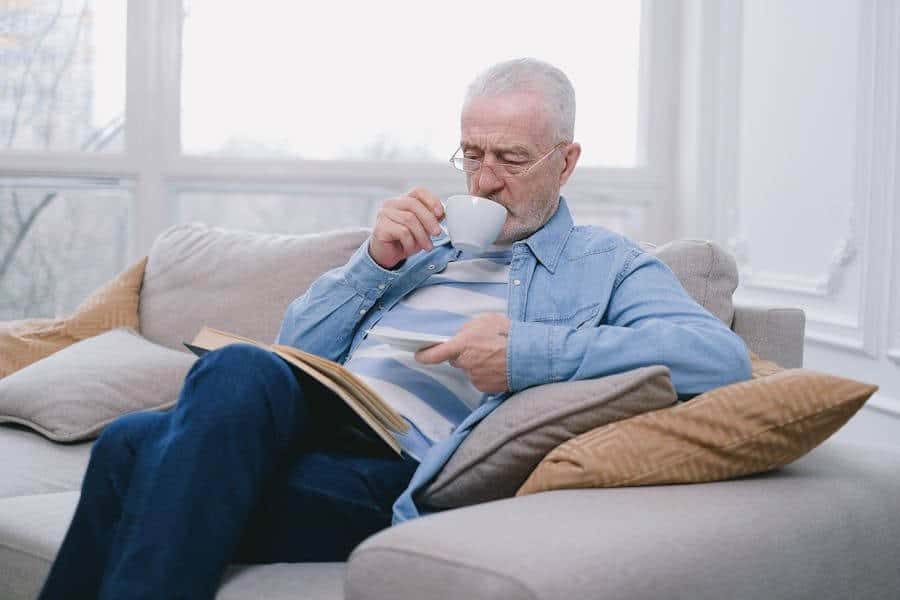
Literally. Every hallway, every doorway, every common area is shaped around the needs of someone with memory loss.
No weird steps. No sharp corners. No way to wander out the front door unnoticed. It feels like a home, not a hospital. But it’s a home that quietly says: You’re safe here.
And for you? It’s the first time in months you’ve woken up without a knot in your stomach.
When you’re caregiving at home, even brushing teeth can turn into a standoff.
In memory care? There’s a schedule — gentle, consistent, calming. Meals happen at the same time. Activities flow from one to the next. And residents start to find comfort in that predictability.
It helps reduce confusion, and you’ll see it — in their shoulders, their face — when things start to feel familiar again.
This isn’t a one-size-fits-all setup. The caregivers here know their stuff — how to soothe during a sundowning episode, how to respond when someone lashes out from fear, how to help with dignity intact.
They know what not to say.
And if something changes (because it always does), they’re trained to adjust — quietly, compassionately, and fast.
Isolation sneaks in hard with dementia. Friends drift. Family visits get shorter.
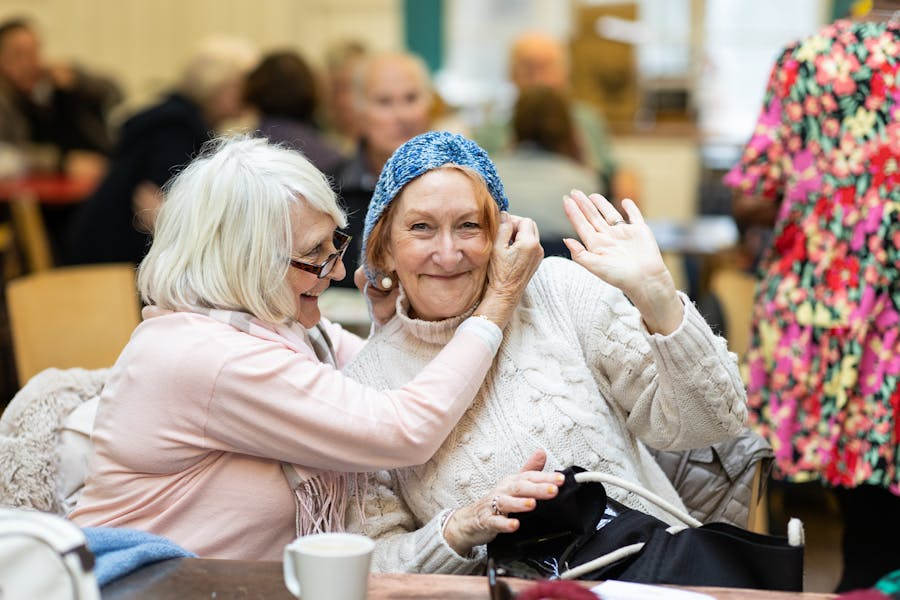
But in memory care? There are group activities. Birthday cupcakes. Afternoon music. Side by side, not talking, just… existing together.
Painting. Gardening. Bingo. (Yes, really.) But also memory boxes and familiar songs.
These aren’t random time-fillers. They’re designed to tap into parts of the brain that still light up. Residents get to feel useful. Connected. Joyful — even if it’s just for ten minutes at a time.
That’s still ten minutes more than yesterday.
Missed meds. Strange new symptoms. That slight change in gait.
At home, those things can go unnoticed. In a memory care home, nurses and care staff catch them early.
Medications are monitored. Doctors are looped in. You don’t have to play detective anymore. You just get to be their daughter again.
This one’s big.
When you’re not carrying every detail — safety, meds, meals, midnight emergencies — you can breathe.
You can visit without the stress. Laugh without guilt. Maybe even talk about something other than caregiving.
It’s not selfish. It’s necessary.
There’s no map for this journey. Just instincts and late-night Google searches. But a good memory care home can feel like finding solid ground again.
If you’re in Colorado and need to talk it through, Applewood Our House has a few spots. The staff gets it — and they’ll walk you through everything, no pressure.
Sometimes letting go is how you hold on tighter.