Dementia News July 2025 brings fresh studies, tough conversations, and quiet wins in memory care.
From brain-boosting walks to smarter end-of-life planning, here’s the latest
Turns out, walking (less steps than earlier reported) isn’t just for getting out of the house — it might actually help your brain hang on a little longer.
New research says regular strolls (yes, even the slow ones with stops to pet neighborhood dogs) can protect memory, especially for folks with a higher chance of developing Alzheimer’s.
And it’s not just walking. Simple routines — eating well, doing puzzles, staying social — might actually slow the slide.
A little effort, every day, could be your brain’s best friend.
#Alzheimers #Walking #BrainHealth #LifestyleChanges #APOE4 #CognitiveHealth #7000 Steps
Three and a half years. That’s the average time it takes to get a proper dementia diagnosis after the first signs show up.
This means a lot of people (and families) are left flailing in the dark for way too long.
A psychologist named Vasiliki Orgeta called this out, pointing to everything from stigma to doctors brushing it off as “just aging.” It’s frustrating.
But talking about it more — like this — is one small way we can push for better, faster care.
#DementiaCare #EarlyDiagnosis #HealthAwareness #MentalHealth #Healthcare #Alzheimer’s
Okay, weird question: how fast do you walk these days? Because doctors are starting to notice that slower walking speeds might hint at brain shrinkage (yikes). It has to do with blood flow and this thing called BDNF — something your brain needs to thrive.
The good news? You don’t need gadgets or a gym. Just move a little. Walk the dog. Stand on one foot while brushing your teeth. Wiggle through the credits. Your brain will thank you — quietly, over time.
#DementiaPrevention #BrainHealth #WalkingBenefits #CognitiveHealth #HealthyLiving #SeniorHealth
Add dementia, and it gets even more complicated. The choices, the timing, the conversations no one wants to start. But they need to happen.
But a professor named Latarsha Chisholm is doing something pretty amazing — helping nursing homes know when it’s time to talk about hospice, based on actual care patterns.
She’s also asking the hard questions, like: are we doing enough for residents when it really matters? And how do we make space for these conversations without turning away?
Her work is about honoring people’s choices, not just managing their symptoms.
#DementiaCare #EndOfLife #HospiceCare #PersonCenteredCare #DataDrivenCare #MedicalResearch #UCFResearch
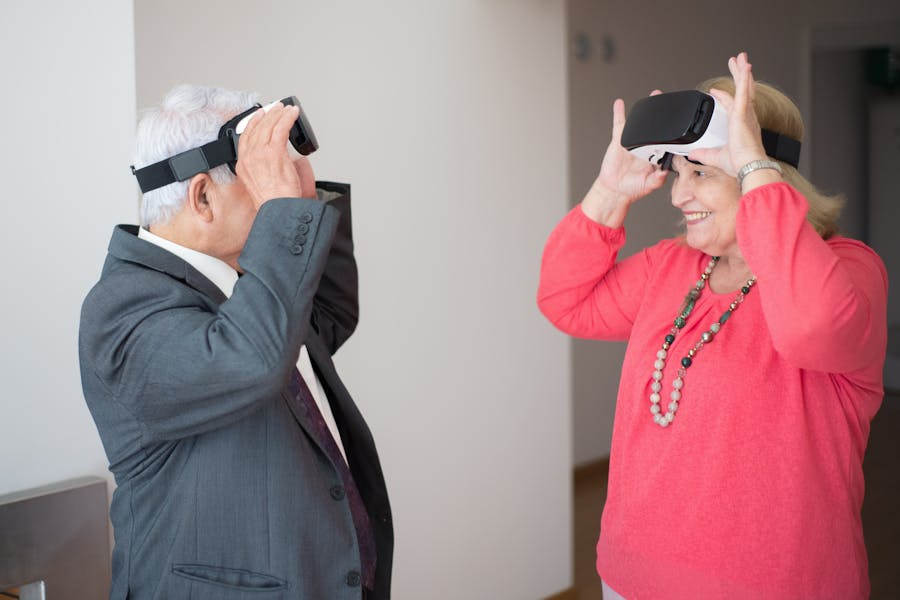
Picture this: your grandmother sitting quietly, wearing a headset, looking out over a sunlit meadow — and smiling.
That’s what researchers at Texas A&M found when they gave dementia patients five weeks of virtual nature experiences.
Some folks were unsure at first. But soon, the mood lifts were real — less anxiety, more alertness, even a little joy. It’s not a cure.
But it’s something. And sometimes, a glimpse of a quiet forest is more comforting than we realize.
#VirtualReality #DementiaCare #EmotionalWellBeing #HealthTech #InnovativeCare #VRTherapy
If a loved one with Alzheimer’s can’t make decisions anymore — about money, care, or even medical treatment — the court might appoint someone to step in.
It’s called conservatorship. And while it can help, it’s not always easy.
Families argue. Legal fees add up. And things get complicated fast.
But if there’s no plan already in motion, someone has to step up — and it’s often a stranger in a robe.
Making decisions ahead of time can be one of the kindest things you do.
#Alzheimers #Conservatorship #ElderCare #DementiaSupport #LegalAdvice #FamilyDecisions #Healthcare #ElderLaw
You’re probably exhausted. Scared, maybe. And trying to do right by someone who once held your hand.
We get that. At Applewood Our House, we care for people with dementia the way we’d want our own parents cared for — gently, with patience and real heart.
That’s the care we give at Applewood Our House. Contact us.