Creating Moments, Capturing Memories

How Does Dementia Affect Mobility

How Does Dementia Affect Mobility

How does dementia affect mobility? Dementia can make it hard for seniors to move around smoothly and safely. Caregivers need to know this so they can take better care of them.

Understanding Dementia - What Is It

Understanding Dementia

Dementia includes different diseases like Alzheimer’s, vascular dementia, Lewy body dementia, and frontotemporal dementia.

Each type affects the brain differently and gets worse over time. As dementia gets worse, it becomes harder to think and remember things. This also makes moving around harder.

The Importance Of Mobility For Seniors With Dementia

The Importance of Mobility

Being able to move is very important for daily life. It helps people stay independent, meet friends, and enjoy life.

Moving around keeps people strong and balanced, which helps prevent falls. It also helps stop other health problems like pressure sores and weak muscles.

Symptoms Of Mobility Impairment In Dementia

Symptoms of Mobility Impairment in Dementia

Changes in Walking

One of the first signs of mobility problems in dementia is changes in walking. People might shuffle, walk slowly, or take unsteady steps.

These changes can make walking hard and increase the risk of falling.


Balance Problems

People with dementia often have trouble with balance. They might struggle to stand or move without help, leading to more falls and injuries.


Difficulty with Daily Activities

As dementia worsens, doing simple tasks like standing up from a chair, getting out of bed, or walking up stairs becomes harder.

These problems make it hard to live alone and are a big challenge for caregivers.

Factors Contributing To Mobility Decline

Factors Contributing to Mobility Decline

Brain Changes

Mobility problems in dementia have many causes. Changes in the brain are a big part. As brain cells die, it becomes harder to move and stay balanced.

Weak muscles and problems with the senses also make moving harder.


Home Safety

The home can also affect how well someone with dementia can move. Homes that aren’t safe can be dangerous.

Simple changes like better lighting, removing loose rugs, and adding grab bars help. Caregivers are essential for helping with mobility and keeping the home safe.

Types Of Dementia And Mobility

Types of Dementia and Mobility

Alzheimer’s Disease

Alzheimer’s disease usually leads to a slow decline in mobility. Over time, walking and balance problems become more noticeable.


Vascular Dementia

Vascular dementia can cause sudden changes in mobility, especially after strokes. This type of dementia often leads to serious mobility challenges.


Lewy Body Dementia

Lewy body dementia often includes symptoms like those of Parkinson’s disease, such as tremors and stiff muscles, making movement even harder.


Frontotemporal Dementia

Frontotemporal dementia can make it tricky for people to move smoothly because it impacts parts of the brain involved in movement.

Impact On Caregivers And Healthcare Providers

Impact on Caregivers and Healthcare Providers

Challenges for Caregivers

Caregivers have a tough job helping people with dementia move around. They help with everyday stuff, stop falls, and keep their loved ones safe.

It’s a lot of work and can make them tired and stressed.

Doctors and other healthcare people have demanding jobs, too. They must figure out why someone can’t move well and make reasonable plans to help their minds and bodies.

They also need to keep learning about new ways to help.


Support Strategies

Education and training are essential to support caregivers and healthcare providers.

Caregivers need to learn all about helping with moving issues. Health pros can offer physical and occupational therapy training and suggest handy devices.

Joining community programs and support groups can also be supportive.

Managing Mobility Impairment In Dementia

Managing Mobility Impairment in Dementia

Exercise Programs

People with dementia benefit a lot from exercise. Custom exercise plans designed by professionals can boost their muscle strength and help them control their movements better.

Simple walking, swimming, and chair exercises are excellent.


Assistive Devices

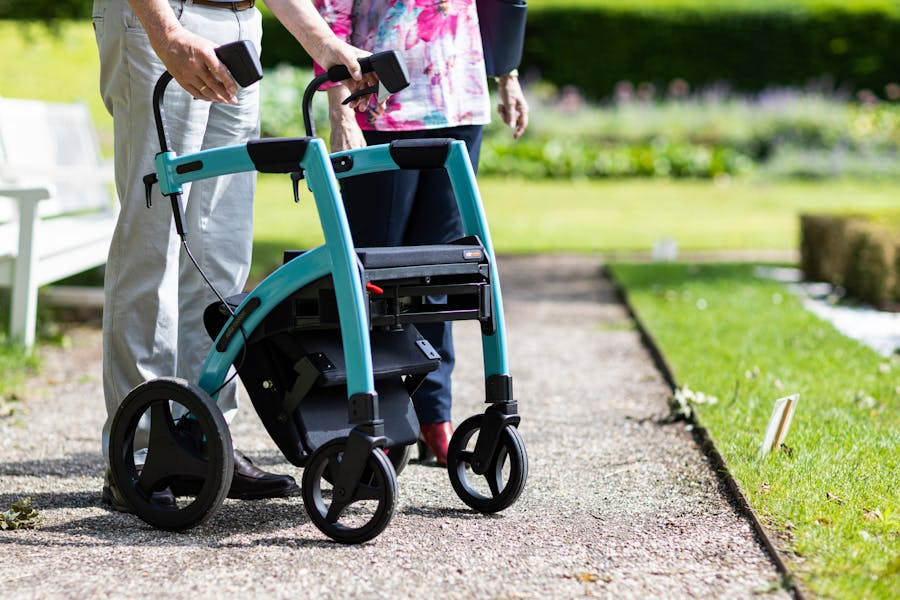
Devices like walkers and canes are essential to keep safe while moving and making homes more accessible to navigate with grab bars and stair lifts is super important.


Home Modifications

Changing things at home is important. Keeping walkways clear, lighting up rooms well, and using different colors can prevent trips and make moving around smoother.


Environmental Adaptations

Making a place safe is about more than just moving things around. It’s also about keeping things the same daily without confusion or worry. 

Sticking signs and labels in different spots at home can guide what we do every day. This makes seniors feel safe and organized.

Future Directions And Research

Future Directions and Research

Current Research Trends

The experts who study dementia never stop learning. They test various treatments and physical therapy movements to find the best ones.


Technological Advancements

Technology is doing more to help those with dementia. Smart home setups, gadgets you wear, and health care over the internet can all keep an eye on those with dementia and help out.

These tools can quickly tell caregivers about issues and provide support from a distance.


Importance of Continued Research

Exploring new ways to help seniors with dementia is essential. Scientists can make discoveries that genuinely better the lives of many seniors.

Conclusion - How Does Dementia Affect Mobility

Dementia significantly affects mobility, making life harder for those with the disease. Caregivers can ease this by employing special exercises, using helpful gadgets, and rearranging living spaces.

If you would like to know more about dementia and memory care, contact Applewood Our House.

Share the Post: