
Memory Care Activities at Applewood Our House
Memory care benefits many seniors who face challenges in their daily lives. It helps them recall important information, and it conditions them in ways that helps them remember.
The residents at Applewood Our House benefit from our memory care activities. This helps them focus on their concentration and attention skills. Residents with dementia need to find ways that connect them to their daily world. We use physical activities, psychological enforcing, and social interactions to help them increase their memory skills.
Daily Routines And Activities
Keeping daily routines and participating in activities are essential for our residents, as they help reduce stress, anxiety, and confusion by promoting familiarity and comfort. Here are some examples of our daily routines and activities that we provide:
- Structured Daily Activities: We offer a range of structured daily activities such as crafts, music therapy, gentle exercises, reminiscence groups, sensory stimulation, and cooking classes.
- Personalized Care: We provide personalized care based on individual needs, preferences, and cognitive abilities. We maintain consistent schedules to help residents feel safe and secure while giving them sufficient free time to rest or relax.
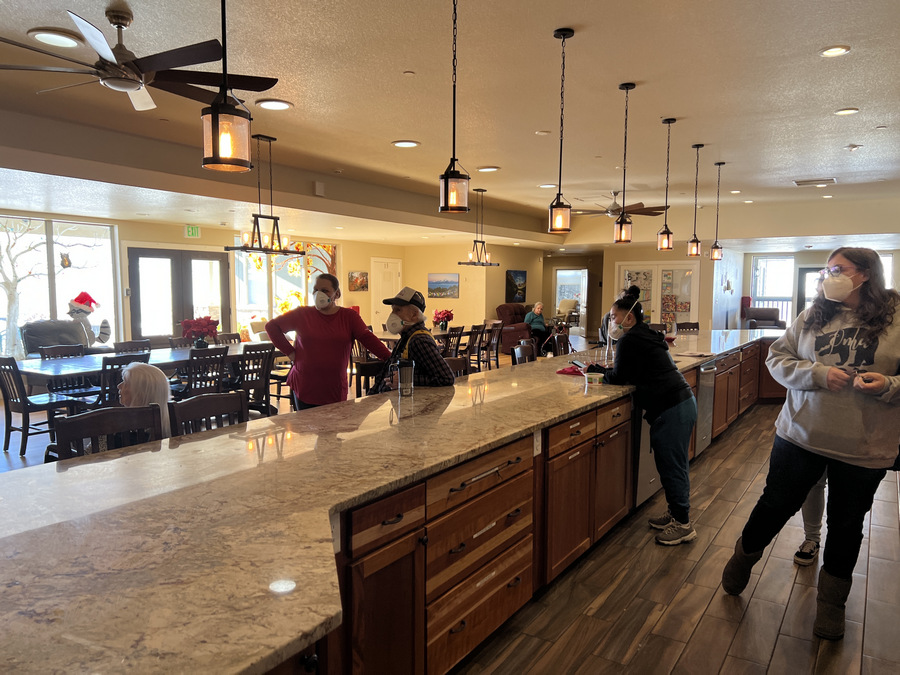
- Familiar Surroundings: Our homes create a home-like environment where residents can feel at ease. Staff offers familiar items such as photographs or mementos to remind residents of their past experiences.
- Social Interaction: Participating in group activities such as card games or group outings can help improve social skills while increasing engagement with others.
- Listening to Music – Music helps with recall functions of the brain. When music is playing that seniors like, the words often come back and their faces often light up. Music also helps reduce stress, which helps in the memory process.
- Family Visits: Family members are encouraged to visit Applewood Our House regularly to interact with their loved ones.
- Nutritious Meals: Residents receive nutritious meals that cater for dietary restrictions and individual needs while also providing an opportunity for social interaction with residents and staff.
- Rest Time: Sufficient rest time is provided throughout the day to reduce fatigue caused by overstimulation of the brain.
Overall, daily routines and activities play an important role in providing structure for residents with Alzheimer’s or other types of dementia at our memory care homes.
It can help establish a sense of security and comfort while promoting physical activity, social interaction, cognitive stimulation, creativity, self-expression, and positive emotions which all improve emotional well-being and quality of life for our seniors.
Family Involvement and Communication
Family involvement and communication are essential components of quality memory care services. Individuals with Alzheimer’s or other dementias may have difficulty communicating, so families should work closely with our staff to develop effective communication strategies.
In addition to helping with communication, family members can also provide emotional support for their loved ones. Caregivers, friends, and family can help people with dementia feel valued and supported by understanding and supporting them in their experiences.
This can involve reminiscing about happy memories, participating in activities together, or simply spending time listening to their loved one talk about their life experiences.
Adjustment Period and Transition Tips
The transition to memory care can be a challenging time for both the resident and their family members. Here are some tips to make the adjustment period smoother:
- Bring familiar items from home, such as photos, blankets, or favorite books
- Maintain daily routines as much as possible to provide a sense of familiarity and comfort
- Communicate regularly with our staff to stay informed about your loved one’s progress and any changes in their care plan
- Attend family support groups to connect with others going through similar experiences and receive emotional support
- Take care of yourself by getting enough rest, eating well, and seeking help if you feel overwhelmed or stressed.
Remember that the adjustment period can take anywhere from 30 to 90 days for your loved one to settle in.
Be patient and understanding during this transition time, and trust that they are receiving the best possible care with personalized support from our trained professionals.
Also, keep in mind that assessments are conducted by our memory care team to create an individualized care plan tailored to your loved one’s abilities and history.
We have a saying at Applewood Our House that when residents come to our homes, this is where new memories begin.
Our Assisted living for Memory Care communities in Denver provide comprehensive, all-inclusive support in a nurturing, home-like setting across multiple locations.