Creating Moments, Capturing Memories

Vascular Dementia – Everything You Need to Know

Living with Vascular Dementia in 2024

What is vascular dementia?

Vascular dementia affects millions and is the second-leading type of dementia after Alzheimer’s.

Triggered by diminished blood supply to the brain, it causes a quick decline in thinking skills, differing from Alzheimer’s slower progression.

Take the case of Mr. Johnson, a 78-year-old retired teacher. After suffering a minor stroke, his family noticed significant changes in his ability to plan, solve problems, and follow through with tasks—classic symptoms of vascular dementia. 

Another example is Mrs. Lee, who developed memory lapses and confusion following a series of small unnoticed strokes. These are known medically as silent strokes, which can cumulatively lead to vascular dementia.

  1. What exactly happens in the brain during vascular dementia?

  2. How does it differ from other forms of dementia?

  3. What can families do to support loved ones experiencing this condition?

This article aims to answer these questions, offering clear, reliable information that can help manage life with vascular dementia.

What Is Vascular Dementia

What is Vascular Dementia

It involves a decline in cognitive function due to conditions that block or reduce blood flow to the brain, depriving brain cells of vital oxygen and nutrients. 

Issues such as stroke or atherosclerosis (narrowing of the blood vessels) can lead to this type of dementia.

Symptoms can vary widely but typically include difficulties with problem-solving, slowed thinking, and trouble with concentration and organization.

Symptoms And Diagnosis Of Vascular Dementia

Symptoms and Diagnosis

Identifying vascular dementia involves recognizing its symptoms and undergoing diagnostic evaluations.

Knowing what signs to look for can help in seeking timely medical advice.


Common Symptoms


Vascular dementia symptoms vary depending on the parts of the brain where blood flow is impaired, but typical signs include:

  • Cognitive difficulties – Problems with planning, reasoning, and problem-solving

  • Memory loss – Not as prominent as Alzheimer’s, but it may affect learning new information

  • Mood changes – Sudden shifts in mood and personality, including depression and apathy

  • Physical symptoms – Depending on the area of the brain affected, physical symptoms like weakness or tremors might appear.


Diagnostic Process


Diagnosis begins with a detailed medical history and a physical examination. Key components of the diagnostic process include:

  • Neurological exams – Assess functions such as speech, movement, vision, and reflexes

  • Cognitive and memory tests – Measure various aspects of thinking, including memory, orientation, and arithmetic skills

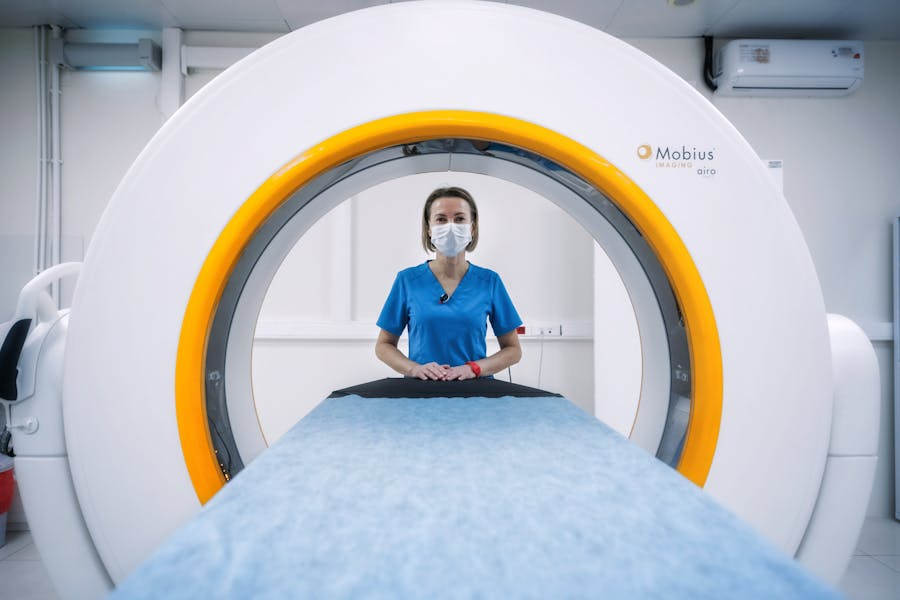
  • Imaging tests – MRI or CT scans can detect strokes, tumors, or other problems within the brain that might be causing the symptoms


Criteria and Tools


Doctors use specific criteria to diagnose vascular dementia, primarily looking for evidence of vascular events via brain imaging coupled with a noticeable decline in cognitive function.

The diagnosis must differentiate between vascular dementia and other types, as the treatment and management strategies can vary significantly.

Treatment And Management Of Vascular Dementia

Treatment and Management

While there is no cure for vascular dementia, there are ways to manage the condition and improve quality of life.


Treatment Options


Treatment typically focuses on preventing further damage to the brain by:

  • Managing underlying conditions – Controlling high blood pressure, diabetes, and heart disease can help reduce the risk of future strokes.

  • Medications – In some cases, medications that help prevent stroke, such as antiplatelets, may be used.
    Medications to manage symptoms, including antidepressants for mood changes, are also common.


Lifestyle Changes


In addition to medical treatment, making lifestyle changes is crucial:

  • Diet and exercise – A heart-healthy diet and regular exercise can improve overall cardiovascular health and may slow the progression of symptoms.

  • Cognitive therapy – Engaging in activities that stimulate the mind and help maintain cognitive function can be beneficial.


Support Networks


Support from family, friends, and professional caregivers is vital. They can assist with:

  • Daily tasks – Help with personal care and household tasks

  • Emotional support – Providing social interaction and emotional support to combat feelings of isolation and depression.

The treatment and management of vascular dementia aim to enhance independence and quality of life for patients and their caregivers.

This comprehensive approach is essential in managing a condition that can dramatically alter lives but allows for meaningful engagement and activity.

Living With Vascular Dementia 2

Living with Vascular Dementia

Adapting to life with vascular dementia is a profound change for both patients and their caregivers.

It requires adjustments to daily routines and understanding how to manage the condition effectively.


Daily Life Adjustments


For those living with vascular dementia, everyday activities can become challenging. Adapting living spaces for safety and ease of use is crucial. This may include:

  • Home modifications – Installing bathroom grab bars, removing trip hazards, and ensuring good lighting throughout the home

  • Routine simplification – Keeping daily routines consistent and straightforward helps reduce confusion and stress for the individual


Cognitive Strategies


Cognitive strategies can help manage the symptoms of vascular dementia:

  • Memory aids – Using calendars, reminder alarms, and organized lists can help compensate for memory problems.

  • Structured problem-solving – Breaking tasks down into smaller, manageable steps can help overcome difficulties with planning and sequencing.


Emotional and Social Support


Maintaining emotional health and social connections is vital:

  • Social activities – Social activities can provide emotional support and stimulate cognitive function.

  • Support groups – Joining support groups can offer patients and caregivers community resources, coping strategies, and emotional support.
Living With Vascular Dementia

Conclusion - What is Vascular Dementia

Living with the disease is undeniably challenging, but with the proper support and adaptations, individuals can continue to lead meaningful lives.

To find out more how memory care helps seniors with dementia, contact Applewood Our House Assisted Living Memory Care.

Share the Post: