Creating Moments, Capturing Memories

Always Feeling Sleepy During the Day Could be a Sign of Dementia

Always Feeling Sleepy During the Day Could be a Sign of Dementia

The latest research shows that feeling sleepy during the day could be a sign of dementia or other cognitive decline in seniors.

You’re treating your car better than your brain right now. You’re obsessing over oil changes and tire rotations while ignoring the blaring warning signs coming from the most sophisticated piece of machinery you’ll ever own – your brain.

And here’s what will shake you: That afternoon sleepiness you’re brushing off as “just being tired”? It might be the first warning sign of cognitive decline that could lead to dementia.

You heard that right. Your 3 pm slump isn’t just costing you productivity; it might signal something more sinister.

Lack Of Sleep Can Cause Motoric Cognitive Risk (Mcr) Syndrome And Dementia In Seniors

The Warning Sign You're Missing Every Single Day

Cognitive decline doesn’t announce itself with sirens and flashing lights. It sneaks up on you, hiding behind everyday symptoms you’re probably dismissing.

You know that feeling when you’re fighting to keep your eyes open during meetings? Or when you catch yourself walking a bit slower than usual? These aren’t always signs of a busy life or aging – they’re potential indicators of motoric cognitive risk (MCR) syndrome.

Think of MCR as the check engine light for your brain. But unlike your car, you can’t just pop the hood and see what’s wrong. By the time most people pay attention, they’ve already lost precious time they could’ve spent protecting their brains.

The Science You Need to Understand

Let’s break this down in a way that matters to your life. Every night, when you sleep, your brain isn’t just “resting” – it’s performing critical maintenance that keeps you sharp, focused, and alive.

You’re not just sleeping; you’re running the most sophisticated cleaning and repair program.


What Happens During Proper Sleep

  • Your brain cells shrink by up to 60% to create channels for waste removal
  • Toxic proteins linked to dementia get flushed out
  • Your memories get sorted and filed away for long-term storage
  • Your neural connections get optimized and strengthened

When you short-change your sleep, skip proper sleep hygiene, or ignore sleep disorders, you’re forcing your brain to operate with incomplete maintenance protocols.

It’s like trying to run a marathon in boots filled with rocks – you might make it, but you’re causing damage with every step.

Sleep Apnea Can Cause Lack Of Oxygen O The Brain And Cognitive Decline

The Truth About Sleep Disorders That Will Keep You Up at Night

Do you think snoring is just annoying your partner? Think again. Sleep apnea – which affects way more people than you realize – is starving your brain of oxygen hundreds of times each night.

Every time you stop breathing, you’re creating the perfect environment for cognitive decline.

And that insomnia you’ve been battling with Netflix and scrolling? It’s not just making you tired. It’s preventing your brain from completing its essential maintenance cycles.

You wouldn’t skip oil changes in your car for months, but you’re doing something far worse to your brain every night.

The Warning Signs You're Currently Ignoring

Stop what you’re doing right now and ask yourself:

  • Are you moving slower than you used to?
  • Do simple decisions feel overwhelming lately?
  • Are you fighting sleepiness during important meetings?
  • Have your mood swings gotten worse?
  • Has your enthusiasm for life taken a nosedive?

Suppose you answered yes to some of these. In that case, you’re potentially dealing with early warning signs of MCR syndrome, which research shows significantly increases your risk of developing dementia.

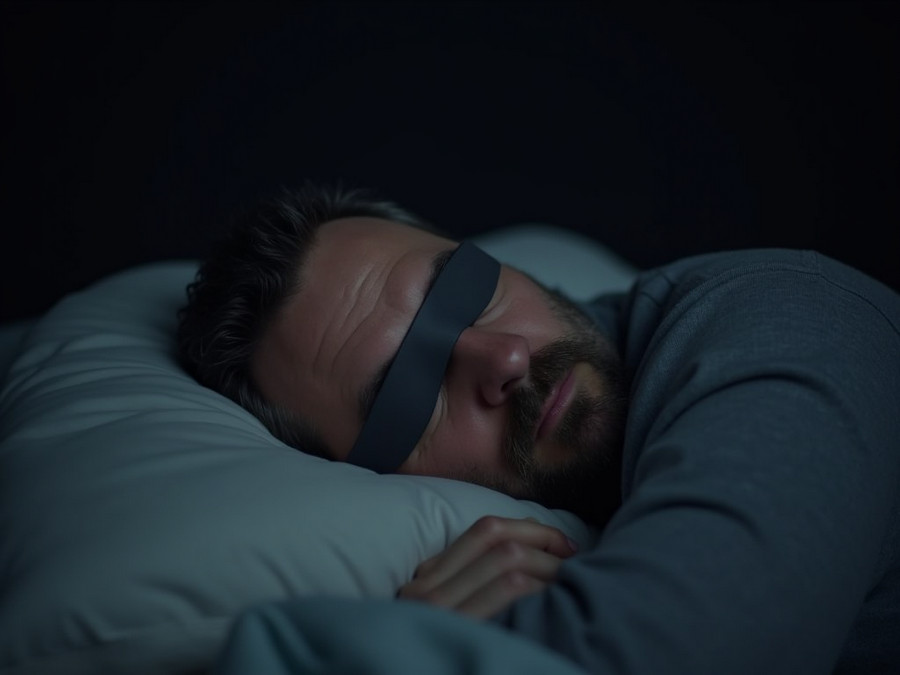
Blackout Curtains And Other Dark Curtains Can Help Seniors Get Better Sleep

Here is an Action Plan You Can Start Tonight

Here is an evening protocol that might help to protect your brain:


Evening Shutdown Sequence

  • No blue light exposure two hours before bed (yes, that means your phone)
  • Bedroom temperature between 67-69°F
  • Complete darkness – invest in blackout curtains
  • Try to keep the same sleep and wake times every day, including weekends


Morning Power-Up Protocol

  • Natural light exposure within 10 minutes of waking
  • A cold shower or contrast therapy
  • Movement before meditation
  • Protein-rich breakfast within 30 minutes of waking

The Daily Stress Management Strategy That Can Save Your Brain


  • Minimum 10 minutes of meditation (non-negotiable)
  • High-intensity exercise 3-4 times per week
  • Strategic stress reduction techniques throughout the day
  • Regular digital detoxes


Professional Intervention Points You Can’t Skip

Here’s when you absolutely must see a professional:

  • If you snore (get a sleep study immediately)
  • If you’re over 50 (annual cognitive assessments)
  • If you notice any changes in memory or processing speed
  • If your energy levels are consistently low

The Financial Reality You Need to Face

Let’s talk money because that might be what finally gets your attention. Dementia care costs can add up. And that’s not counting the lost income, the impact on your family, or the emotional toll.

Most of what you must do to protect your brain is free or costs a fraction of what you’ll spend dealing with cognitive decline later.

You’re choosing between spending a few hundred dollars on prevention or potentially hundreds of thousands later on treatment.

Ct Scans Can Show Brain Shrinkage And Help Detect Dementia

Your Call to Action (Because Tomorrow is Too Late)

Tonight:

  • Set up your bedroom for optimal sleep
  • Create your evening shutdown sequence
  • Remove all electronics from your bedroom


Tomorrow Morning:

  • Schedule a sleep study if you snore
  • Book a cognitive assessment
  • Start tracking your daily energy levels and walking speed


This Week:

  • Purchase blackout curtains
  • Set up a sleep-tracking system
  • Create your stress management protocol

Schedule your first high-intensity workout

Feeling Sleepy During the Day Could be a Sign of Dementia - Conclusion

Whether you realize it or not, you’re probably at a crossroads right now. Every night of poor sleep, every ignored warning sign, every “I’ll deal with it later” moment is pushing you closer to cognitive decline.

This isn’t about fear-mongering – it’s about dealing with reality and taking action while you can.

Your brain has no warranty, and you can’t trade it in for a new model. The decisions you make today – starting with how you sleep tonight – could determine whether you’re sharp and independent in your later years or struggling with basic tasks.

The research is clear. The path is laid out. The only question left is: What will you do about it?

Your future self will either thank you or lecture you for the decisions you make right now. Choose wisely.

Applewood Our House are leaders in dementia care. For more info or tours, contact us today.

Share the Post: