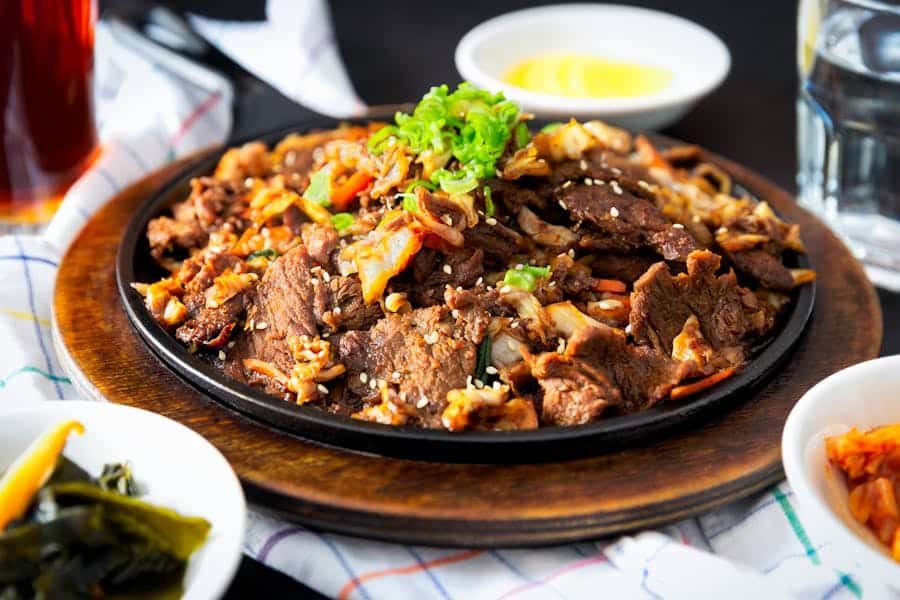
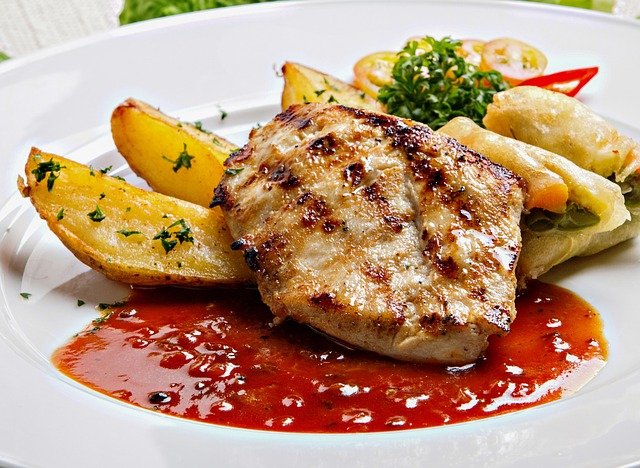
Here are some tips for planning and serving delicious, nourishing meals tailored for seniors:
Focus on Flavor and Texture
Seniors often experience decreased sense of taste and smell. To make foods more palatable, season them well with herbs, spices, citrus, vinegar and other flavor-boosting ingredients.
Use both sweet and savory flavors to make dishes more appealing.
Altering texture also helps. Make foods easier to chew by chopping, mincing, pureeing or mashing. Serve broth-based soups, stews with tender meats and vegetables, and casseroles with well-cooked ingredients.
Avoid dry, tough foods.
Highlight Fiber and Protein
Fiber keeps digestion regular and protein provides essential nutrients for maintaining muscle mass. Good sources of fiber include fruits, vegetables, whole grains, beans and lentils. Choose protein-rich foods like eggs, dairy, poultry, fish, beans, nuts and seeds.
Focus on Fruits and Vegetables
Seniors often don’t eat enough produce. Brightly colored fruits and veggies provide vitamins, minerals and antioxidants. Offer salads with mixed greens, sliced fruits with yogurt, roasted veggies and fresh fruit as dessert. Puree fruits and make smoothies for easy consumption.
Stay Hydrated
Dehydration is common among the elderly. Offer water and other hydrating beverages like herbal tea, diluted juices and broth-based soups. Integrate hydrating fruits and veggies like watermelon, cucumber and celery. Limit caffeine and alcohol which can have a diuretic effect.
Watch Sodium Intake
Many older adults need to restrict sodium due to hypertension and other health conditions. Use herbs, spices, citrus and vinegars to flavor foods instead of salt. Limit processed foods, which often have high sodium content.
Make Meals Colorful
Incorporate a variety of brightly colored fruits, vegetables, beans and whole grains to add eye-appeal and vital nutrients to meals. Vary the colors on the plate for visual appeal.
Accommodate Chewing and Swallowing Difficulties
Some seniors have trouble chewing and swallowing, putting them at risk for choking. Prepare foods that are soft, tender and easy to eat. Use ground or pureed meats, mashed vegetables and soft cooked grains. Modify food and liquid consistency as needed. Be attentive during meals to ensure safety.