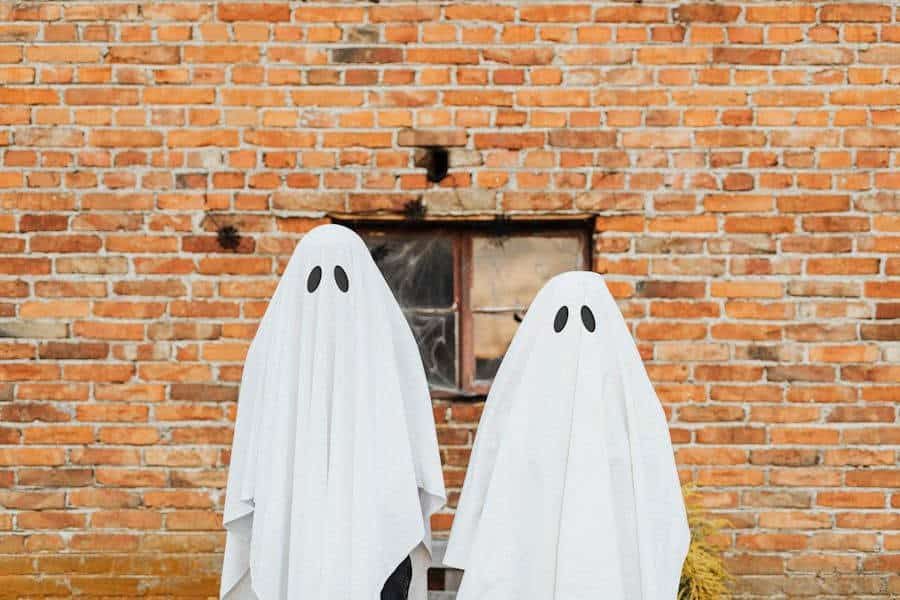
1. Pick Friendly, Non-Spooky Decorations
Forget the ghosts and ghouls—keep things cozy instead. Think pumpkins, colorful leaves, and flowers that scream autumn without any creepy vibes.
- Avoid scary masks, skeletons, or anything that might confuse or upset your loved one.
- Use soft, familiar lighting and cheerful decor to make the place feel warm.
A friendly environment makes the celebration approachable. Decorations should spark joy, not fear or confusion.
2. Set Up a Quiet Retreat Spot
Sometimes, even the most fun-filled days get a little overwhelming. Create a calm space where your loved one can relax if the festivities feel too loud or stressful.
- Use their favorite chair or a familiar corner in the house.
- Add soothing objects like blankets, pillows, or family photos to make it comfortable.
This gives them a chance to rest, while still feeling included in the celebration.
3. Keep Things Low on Surprises and Loud Sounds
If you’ve ever jumped at a pop-up decoration, you know how startling they can be. Now, imagine that for someone with dementia—it’s not fun.
- Stick to decorations that don’t move or make sudden noises.
- Keep the music soft and friendly. No loud spooky soundtracks that might cause anxiety.
Halloween should be about fun, not unnecessary stress.
4. Plan Activities During the Daylight Hours
Seniors, especially those with dementia, tend to be more alert earlier in the day. Take advantage of this by scheduling the activities when they’re most likely to enjoy them.
- Organize crafts like decorating pumpkins or making leaf art in the morning or early afternoon.
- Save the evenings for rest. The less stimulation at night, the better, since late-day confusion can sometimes worsen.
Keeping the schedule light makes the day enjoyable without leading to burnout.