Creating Moments, Capturing Memories

5 Simple Steps to How Seniors Can Boost Their Immune Systems

5 Simple Steps to How Seniors Can Boost Their Immune Systems

When she first heard the warning, it was a routine doctor’s visit for 72-year-old Margaret Lewis.

Her immune system, her doctor explained, wasn’t bouncing back as it used to after a recent cold.

It wasn’t just a personal concern—it was a wake-up call.

For seniors like Margaret, immune health is not just about avoiding sniffles; it’s about preserving independence and vitality.

Maintaining a resilient immune system can be a literal lifeline in a world where viruses and chronic illnesses disproportionately affect older adults.

But is there hope for seniors to take control of their health? The answer lies in five key steps—simple changes that can make a difference.

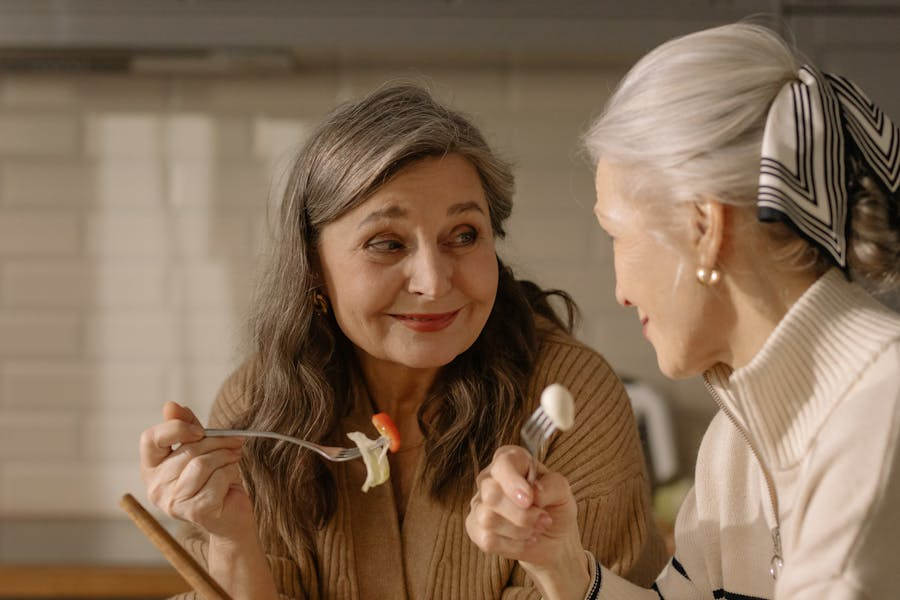
Eating Yoghurt Improves The Immune System

Step 1 - Eat Like Your Health Depends on It

The old saying, “You are what you eat,” has never been more true. For seniors, a nutrient-rich diet isn’t just fuel; it’s medicine.

Consider this: researchers at the University of Vienna found that eating yogurt daily significantly improved the immune systems of older adults.

Over in Sweden, factory workers who took probiotics consistently had fewer sick days.

A well-rounded diet can significantly enhance immune function in older adults:

Malnutrition can weaken the immune system, increasing susceptibility to infections.

A diet rich in vitamins A, C, D, E, zinc, iron, and selenium is essential for robust immune health

Quick Tips for Your Plate:

B Vitamins – Found in eggs, grains, and dairy. Many seniors lack B12, so check with your doctor.

Garlic – Known for its antibacterial properties. Studies show it may reduce the risk of colorectal cancer.

Mediterranean Diet – Loaded with olive oil, fish, and legumes, it reduces inflammation and promotes heart and immune health.

Quality Sleep Helps Boost The Immune System In Seniors

Step 2 - Prioritize Sleep More Than Rest

After decades of grinding through sleepless nights, it’s tempting to think you need less sleep as you age. The truth? Sleep deprivation can cripple your immune system.

Adequate sleep bolsters the immune system, aiding in the production of antibodies and immune cells that defend against infections.

Cytokines, proteins that target infection, are produced during sleep. Skimping on rest means fewer of these protective agents.

Quality sleep improves brain function and memory for older adults—benefits that ripple into every aspect of life.

Sleep better by:

  • Creating a dark, calm, and quiet environment.
  • Limiting caffeine after noon.
  • Sticking to a regular bedtime.
Yoga Relieves Stress And Boosts The Immune System

Step 3 - Manage Stress Before It Manages You

Stress doesn’t just rattle your mind—it wears down your body.

Chronic stress floods your system with cortisol, a hormone that suppresses immune responses over time.

Studies link high cortisol levels to accelerated aging and heart disease.

Seniors often carry unique burdens: losing loved ones, health worries, or financial concerns.

While eliminating stress is unrealistic, learning to manage it can be transformative.


Tried-and-true techniques include:

  • Meditation – Just 20 minutes a day can boost disease-fighting antibodies.
  • Gentle yoga – Improves flexibility while calming the mind.
  • Enjoyable hobbies – Gardening or reading can lower stress hormones.
Keep Moving - Exercises Like Walking Help Seniors Immune Systems

Step 4 - Get Moving, Stay Healthy

Exercise isn’t just for the young and restless. For seniors, it’s a secret weapon against illness.

According to the CDC, 150 minutes of moderate activity each week can improve circulation, reduce inflammation, and enhance immune detection of harmful invaders.

Walking, swimming, or chair yoga are excellent options.

The benefits? Better heart health, stronger muscles, and an elevated mood contribute to a more robust immune system.


Pro tips for starting small:

• Start with a 10-minute daily walk and build up.

• Pair exercise with social activities for added motivation.

• Always consult your doctor before starting new routines.

Exercise not only strengthens the body but also builds resilience against infections.  

It should become an important part of seniors’ lives.

Leading a sedentary lifestyle is associated with cardiovascular disease and Type-2 diabetes.

Seniors can help reverse some of those affects by walking or other types of physical movement.

Loneliness Can Cause Depression In Seniors

Step 5 - Combat Loneliness for a Healthier Life

Loneliness isn’t just a feeling; it’s a health risk.

Researchers at Ohio State University found that isolated individuals face higher rates of depression, functional decline, and even early death.

Social connections, on the other hand, bolster emotional and physical health.

Whether joining a club, volunteering, or staying connected through phone calls and video chats, meaningful relationships can be as vital as any prescription.

“I thought loneliness was just part of getting old,” says Margaret, who now attends weekly art classes.

“But I feel more alive than ever.”

How Seniors Can Boost Their Immune Systems

Final Thoughts

Boosting immunity isn’t about perfection—it’s about progress.

By focusing on these five steps, you can protect your health and enjoy the vibrant life you deserve.

Margaret says, “It’s never too late to fight back.”

Check out our blog to read more articles on dementia and senior related topics.

Share the Post: